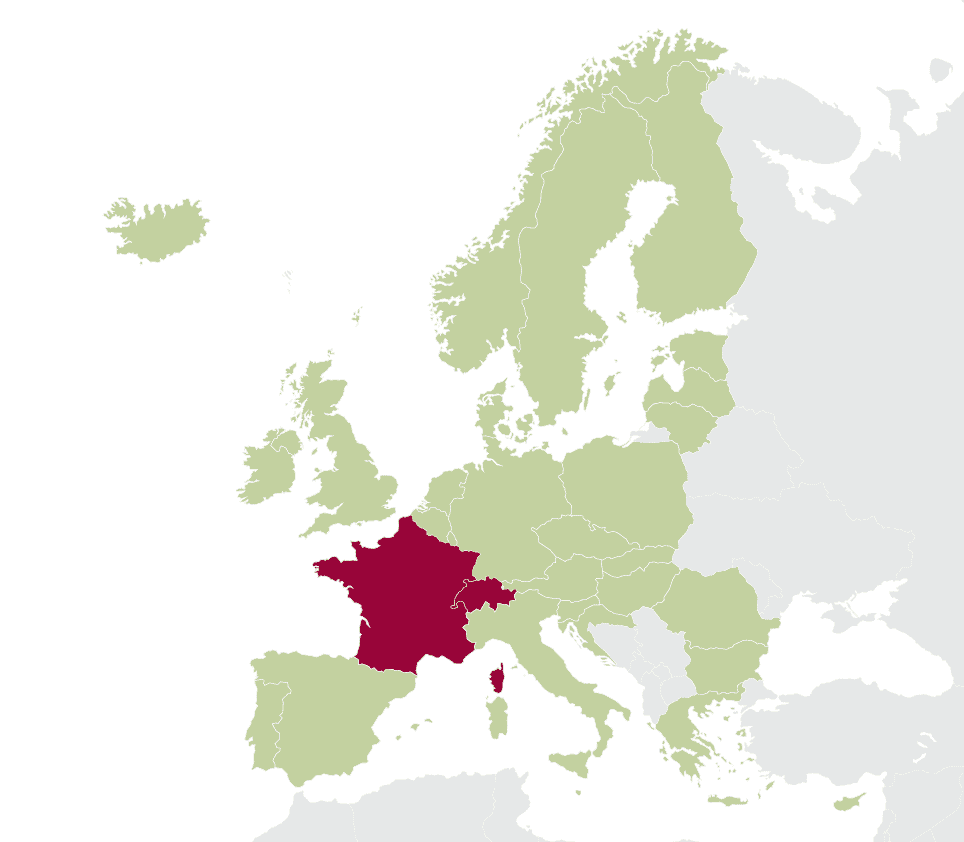
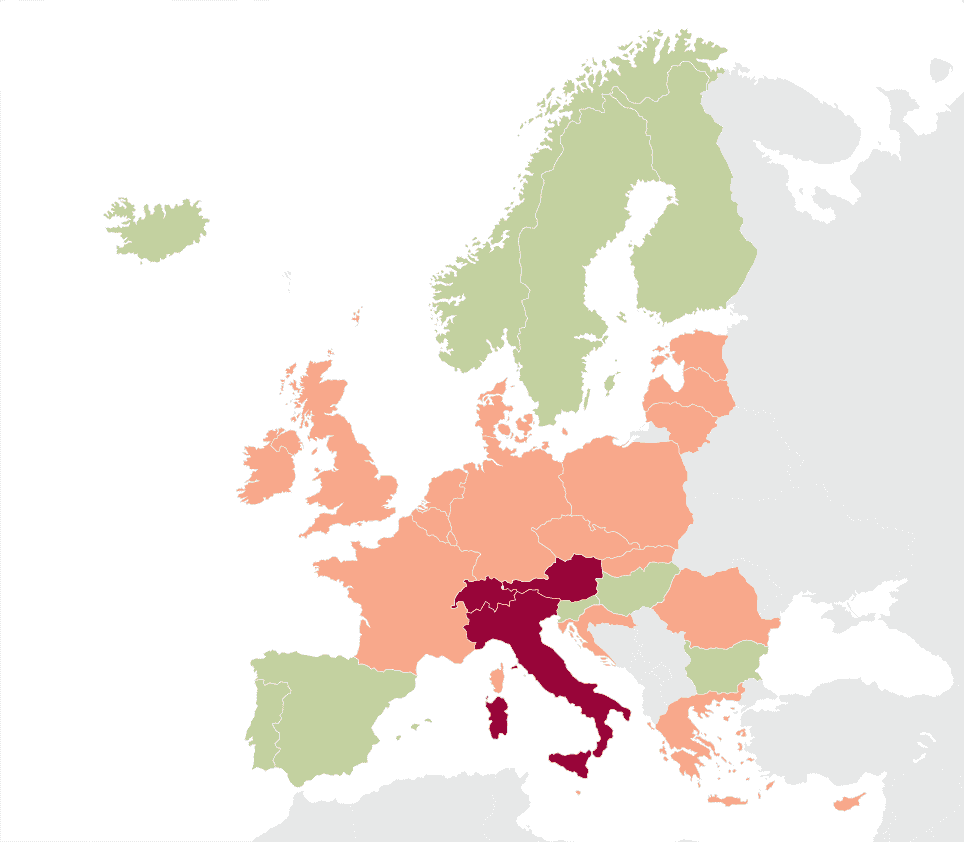
Status of the national sign language as a full language
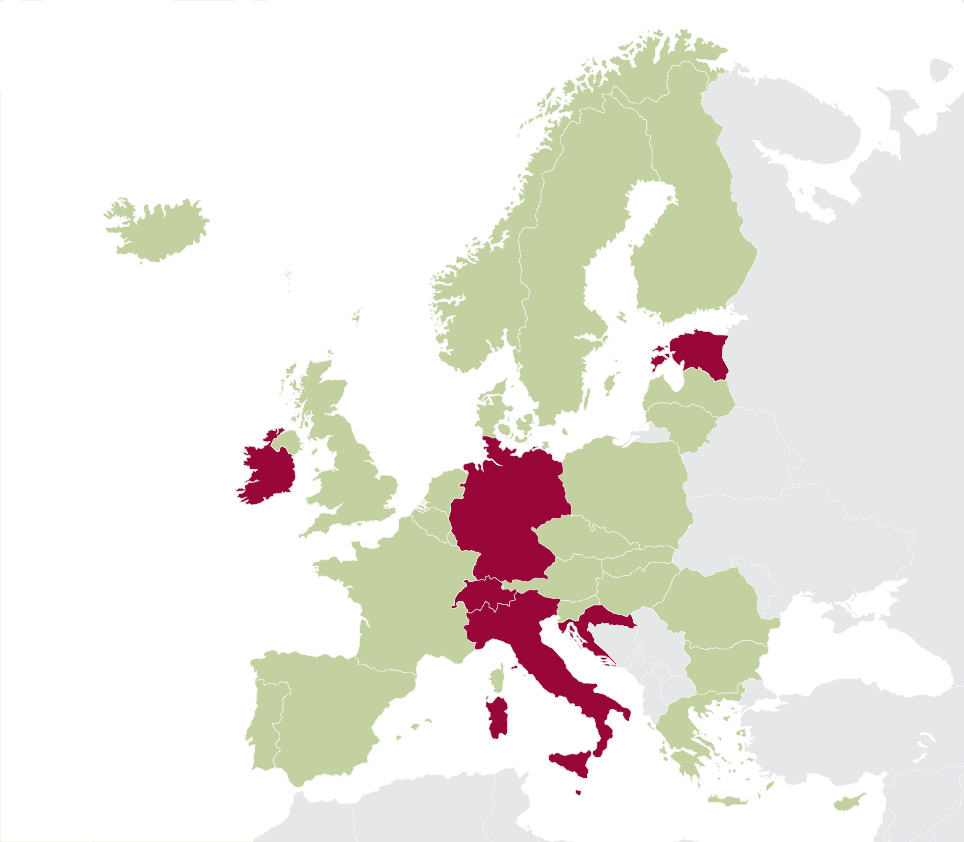
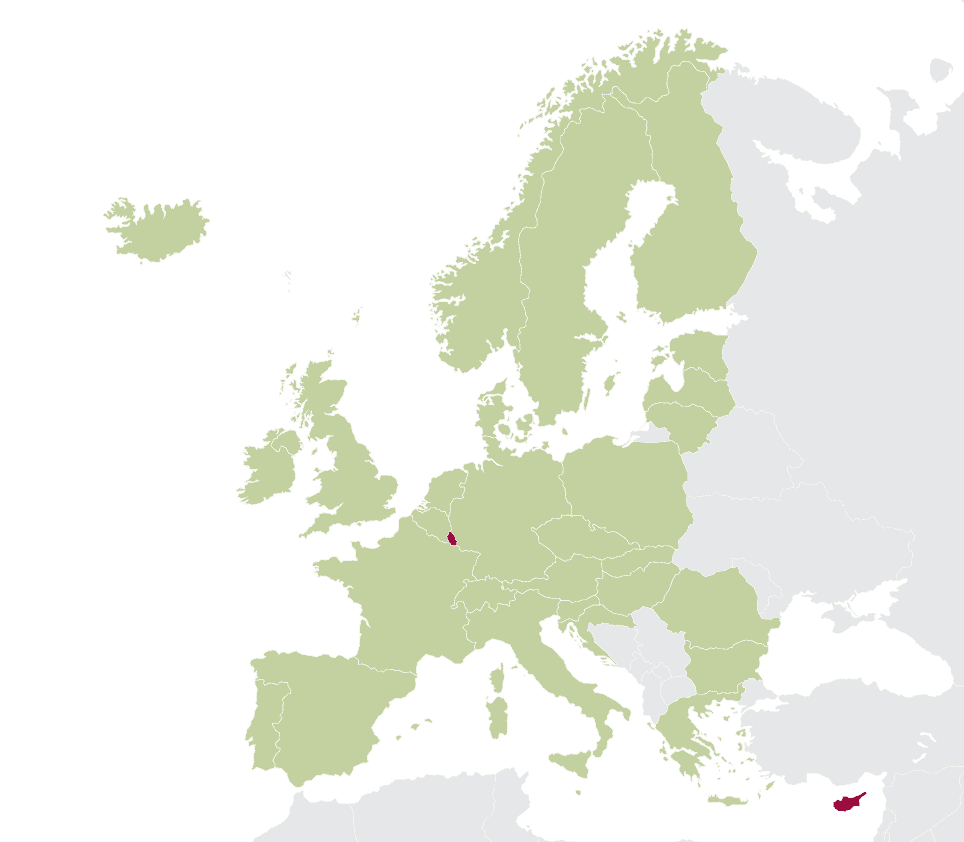
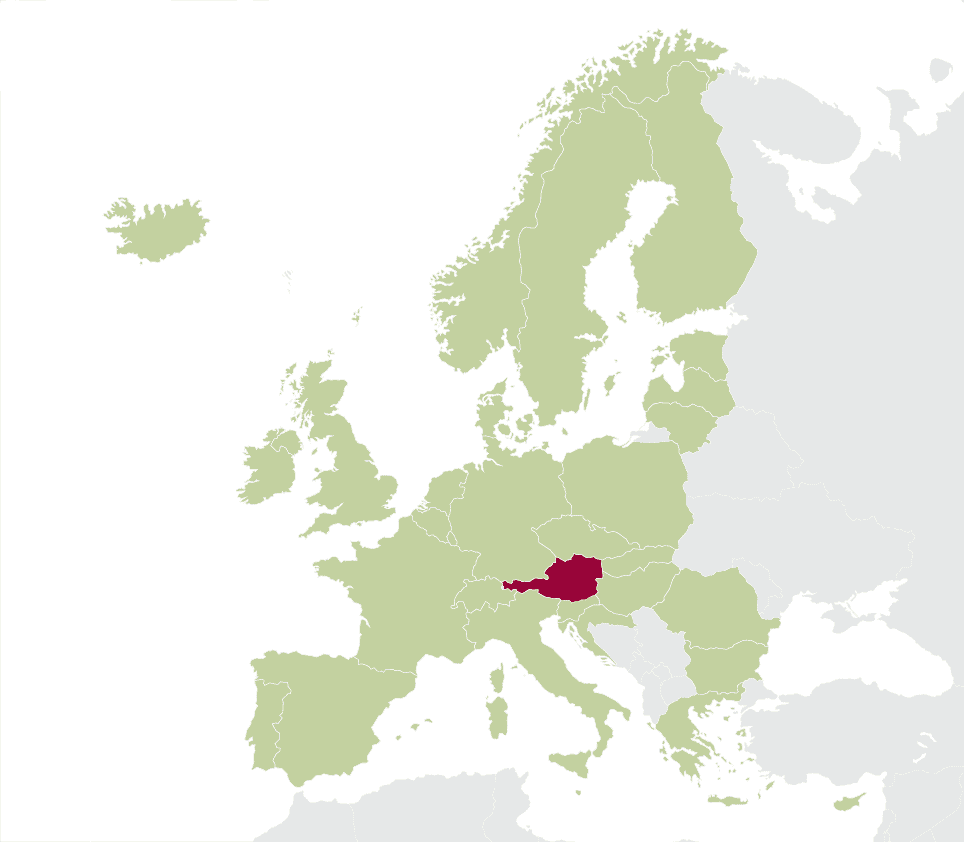
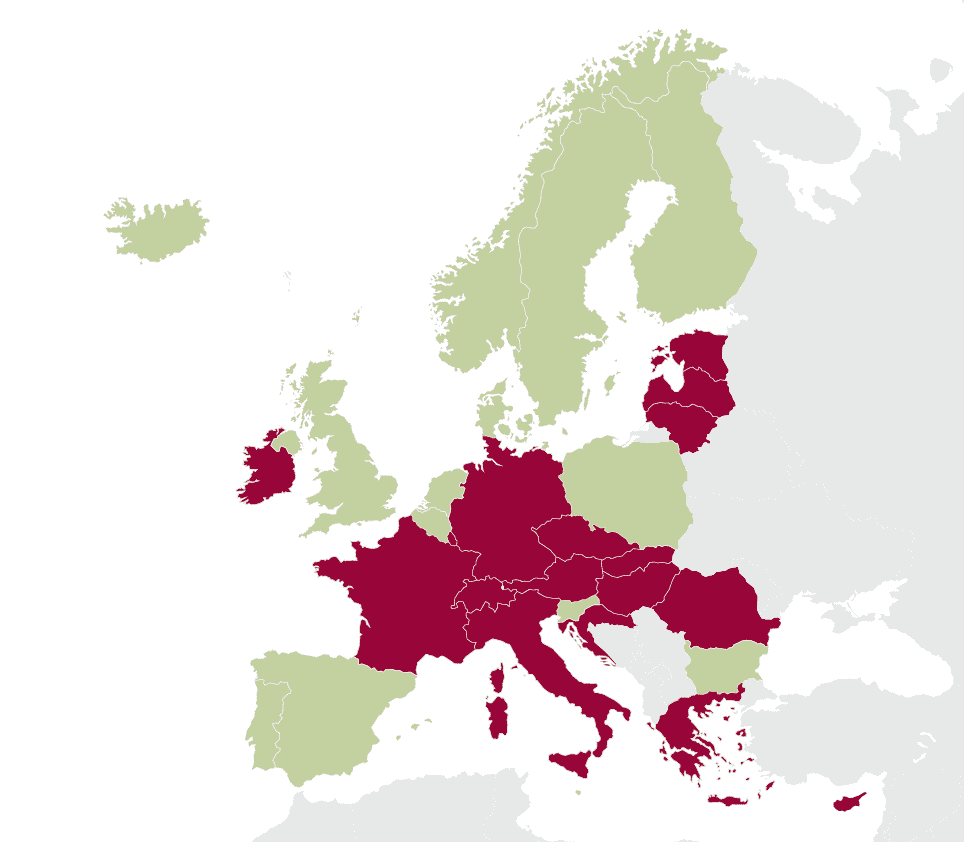
29 out of 31 European countries have achieved recognition of their national sign language through a legal instrument adopted by their legislature.
December 2025
Equality and non-discrimination
Across the 31 European countries examined, 17 include provisions recognising the refusal of national sign languages as a discrimination on the grounds of language.
December 2025
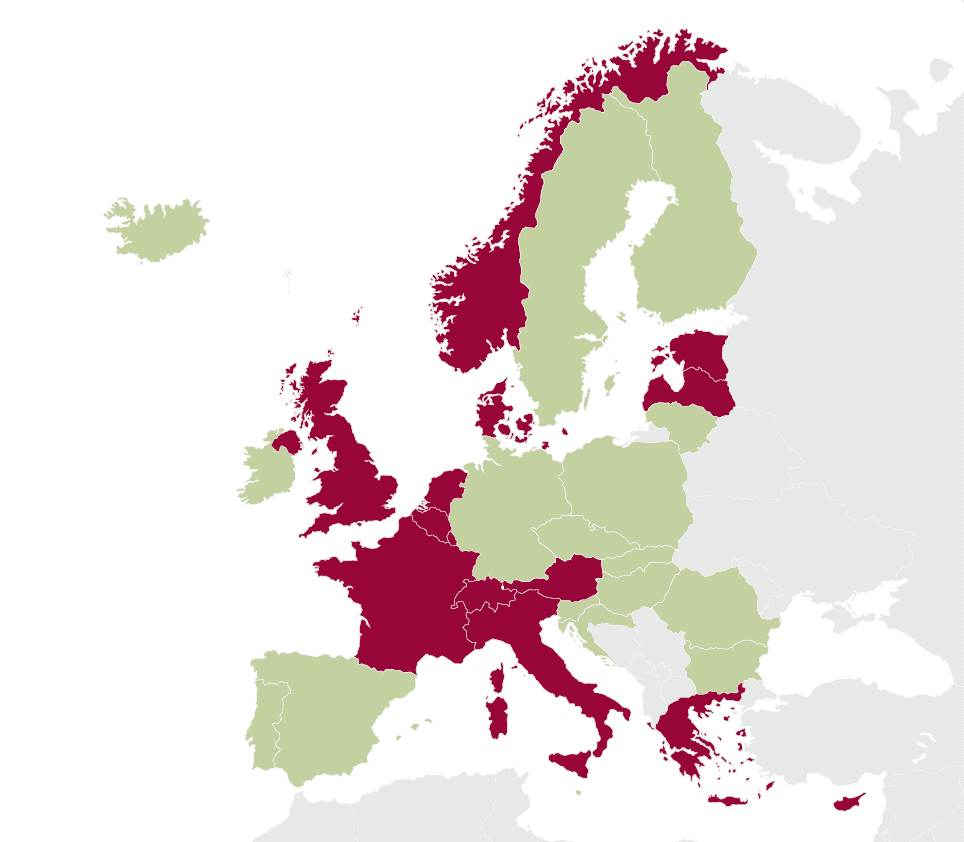
Promotion of the identity of deaf people
4 European countries out of 31 have expressly recognised that the NSL and/or the deaf culture and/or the cultural and linguistic identity of the deaf community is preserved as part of the national cultural heritage.
December 2025
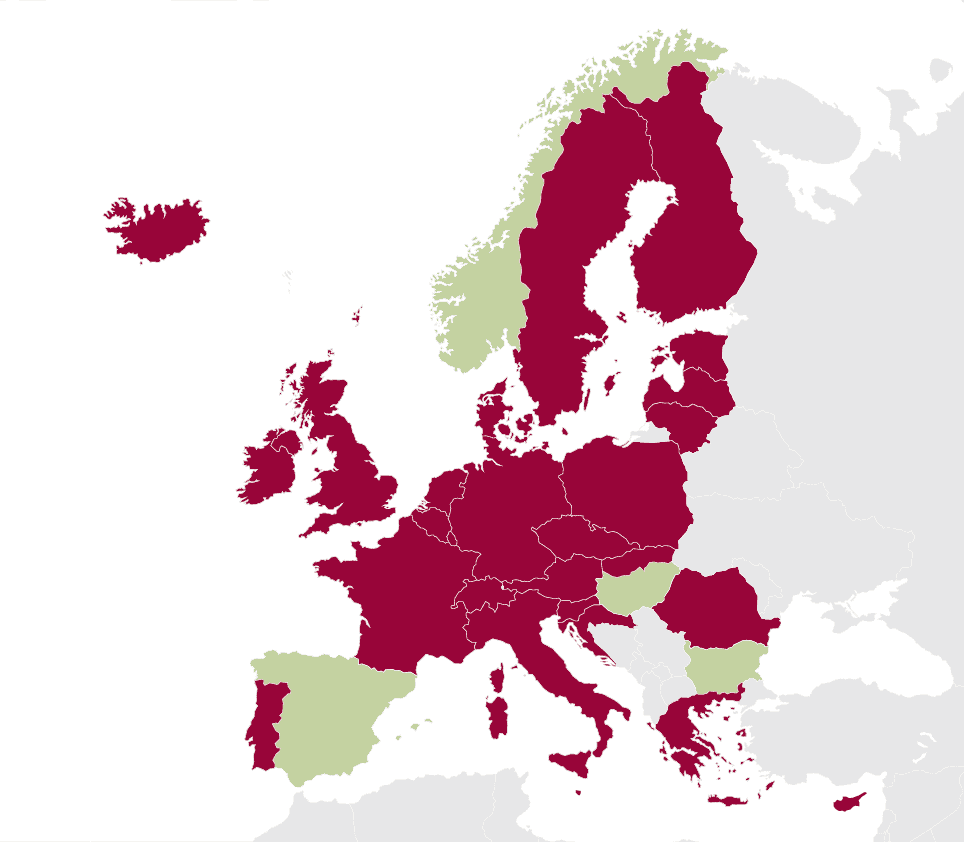
The right to be educated in the national sign language
In 24 of the 31 European countries, deaf learners have the right to be educated in their national sign language
December 2025
National sign language as a school subject
In 24 of the 31 European countries, national sign language is offered as a subject for deaf learners, often within special education settings, and is a right protected by a legal instrument.
December 2025
Professional national sign language interpreters
In 29 of the 31 European countries, the provision of professional sign language interpretation is ensured through legal and/or regulatory frameworks.
December 2025
Access to information, including in situations of emergencies
In 30 of the 31 European countries, national laws and/or regulations contain provisions safeguarding accessibility in national sign languages of information and services provided by public authorities
December 2025
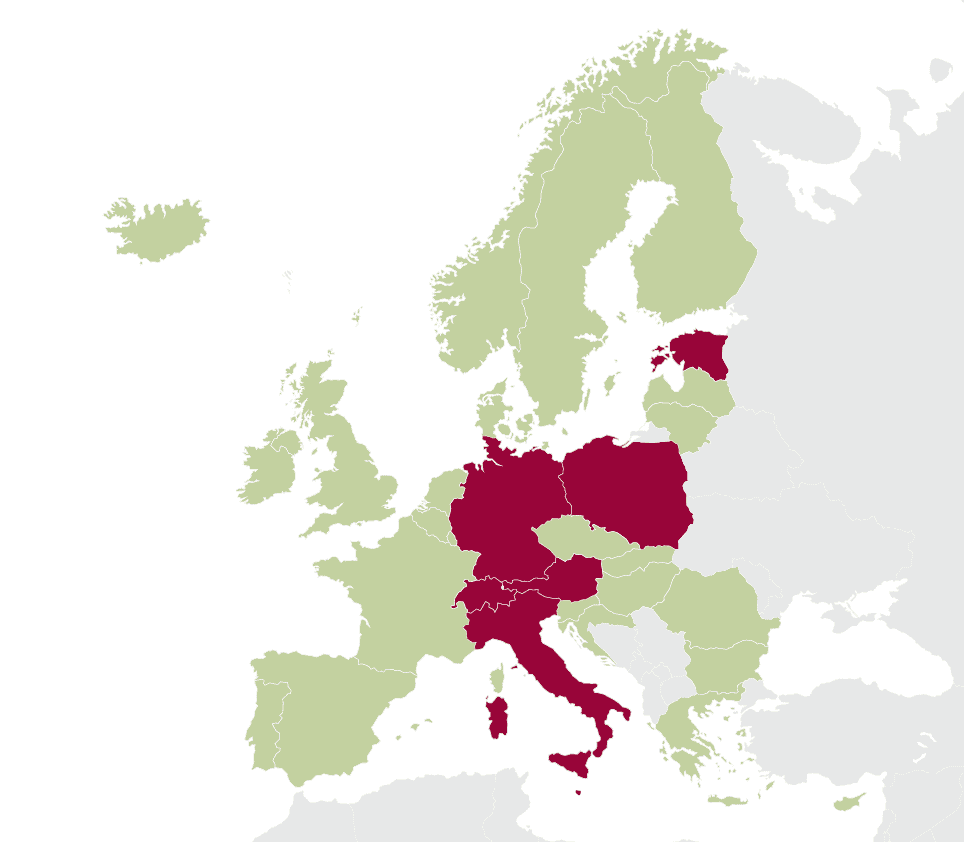
Involvement of deaf people in decision-making processes
Only 14 of the 31 European countries have a dedicated national sign language council or board, to monitor the implementation of sign language rights at the national level.
December 2025
The status of sign language rights in Europe the European
The evaluation of the national legal frameworks on sign language rights across 31 European countries results in the following total scores, reflecting the extent to which each national framework fulfils the eight criteria for comprehensive and effective sign language rights.
We use cookies to enhance your experience. By continuing to visit this site you agree to our use of cookies. | Privacy Policy | More info about cookies |