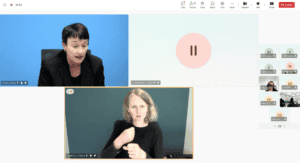
Artificial intelligence is already part of the public services, schools, workplaces and communication tools that deaf people use every day. Sign language AI, including machine translation and signing avatars, is being developed and rolled out across the EU right now. The promise is real. So are the risks.
The EU AI Act is the world’s first comprehensive binding law on AI. It recognises the rights of persons with disabilities, but says little about the language and culture of deaf communities. In July 2026, the AI Omnibus then postponed most high-risk obligations to December 2027 and August 2028, weakened the AI literacy duty, and limited the access equality bodies have to documentation on high-risk systems.The AI Omnibus is a regulation aimed at amending and simplifying the AI Act.
That makes national implementation the key battleground. Member States have wide freedom in how they apply the Act, and the decisions made over the next year will decide whether it works for sign language users or passes them by.
Our new AI Policy Recommendations set out EUD’s position around three principles:
1. Informed choice. Deaf people decide which tool they use, whether a qualified interpreter, an AI tool or both. When institutions cut interpreters to save money or make AI the default, real choice disappears.
2. Complementarity. In legal proceedings, medical appointments and emergency services, professional sign language interpreters remain essential. AI can add to human provision. It cannot replace it.
3. Co-creation. Deaf communities must be partners from the very start, in problem definition, data, design, testing and oversight. Asking for feedback on a nearly finished product is not co-creation.
The paper contains 15 concrete recommendations for five groups:
- EU institutions: prepare the high-risk rules with sign language users in mind, and include accessibility in codes of conduct.
- Member States: give deaf communities a formal role in national AI governance, protect interpreting in high-stakes settings, and set inclusive procurement standards.
- National oversight bodies: issue guidance on sign language AI, co-create regulatory sandboxes with deaf organisations, and offer complaint channels in national sign languages.
- National Associations of the Deaf: map your national AI authorities, request a seat at the table, and refuse tokenistic consultation. EUD can help with template letters and background documents.
- Developers and deployers: build with deaf professionals, collect data from deaf native signers with fair pay and revocable consent, label AI sign language clearly, and never sell it as a replacement for interpreters.
The window to act is now, while national systems are still being designed.